Understanding a person’s life is never a simple chronological exercise. In biographical documentaries, the filmmaker must organise years of lived experience into a coherent, emotionally resonant narrative that communicates both character and meaning. The 7-Stage Life Map is one of the most effective tools for achieving this. It structures a subject’s life into seven narrative stages—Origin, Early Influences, First Struggles, Breakthrough, Crisis, Transformation, and Legacy—allowing filmmakers to uncover deeper themes and create a compelling arc that audiences can follow.
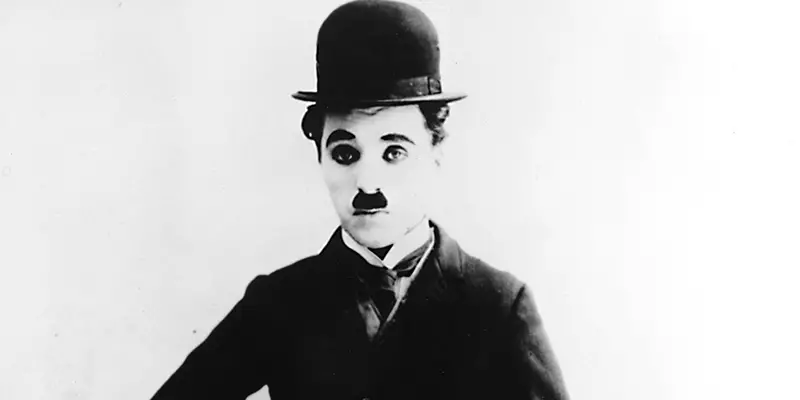
This approach is particularly powerful when dealing with complex public figures. To illustrate its usefulness, we can look at one of cinema’s most iconic personalities: Charlie Chaplin. His life, rich with hardship, genius, controversy, and reinvention, aligns almost perfectly with the 7-Stage Life Map model.
1. Origin: Beginnings in Poverty
Charlie Chaplin was born in 1889 in London to a pair of struggling music-hall performers. His early life was marked by severe poverty, inconsistent parenting, and the instability of the Victorian workhouse system. This stage establishes the socioeconomic foundation from which his resilience and creativity later emerged.
A documentary applying the 7-Stage Life Map would visually anchor this stage through archival photographs, illustrations, and evocative shots of London streets and workhouses of the era.
2. Early Influences: Stage Lights and Survival
Chaplin’s earliest exposure to theatre came from accompanying his parents to music-hall venues. His mother’s brief performances and his father’s absence shaped his perception of fame, fragility, and the emotional labour of performance.
In a documentary, this stage would be enriched through anecdotes, letters, early sketches, and expert commentary exploring how performance became both refuge and identity for the young Chaplin.
3. First Struggles: Hardship, Illness, and Independence
Chaplin’s childhood was punctuated by hunger, temporary orphanage stays, and his mother’s declining mental health. By the age of ten, he was largely supporting himself through odd jobs and occasional stage appearances.
These struggles reveal Chaplin’s emotional world: insecurity, determination, and the early seeds of physical comedy born from observing the harsh social realities around him. Interviews with historians and scholars can highlight how these experiences informed his later work.
4. Breakthrough: A Star Emerges
Chaplin’s transition to the United States with Fred Karno’s troupe marked the first major turning point in his life. His signing with Keystone Studios in 1913 introduced audiences to the now-immortal Tramp character.
Using the Life Map model, this stage demonstrates how a single opportunity can reframe a person’s trajectory. A documentary would connect early stage routines to the cinematic qualities of his screen persona, using archival footage from Keystone to show Chaplin’s rapid ascent.
5. Crisis: Controversy, Politics, and Public Scrutiny
Chaplin’s fame brought enormous public pressure. Political accusations, personal scandals, and ideological disagreements—including a public dispute with American authorities over his political views—culminated in him being effectively exiled from the United States in 1952.
This crisis stage reveals the price of celebrity and the vulnerability of creative figures within political climates. A documentary applying the 7-Stage Life Map would delve into newsreels, headlines, and testimonies to contextualise how Chaplin navigated these tensions.
6. Transformation: Reinvention and Return to Art
Forced to relocate to Switzerland, Chaplin entered a reflective phase of his career. He continued creating films, re-examined his identity as both artist and immigrant, and redirected his focus toward personal life and creative control.
This transformation is central to understanding Chaplin’s maturity as a filmmaker. His later works, including A King in New York and Limelight, reveal a more philosophical, introspective version of the artist.
7. Legacy: A Global Icon for Cinema
Chaplin’s impact on cinema is immeasurable. His influence spans physical comedy, visual storytelling, humanism, and political commentary. From The Gold Rush to Modern Times, his films remain foundational texts in film education.
The Life Map helps documentary filmmakers highlight why Chaplin “matters” beyond archival interest—his legacy lives not only in his films, but in the global language of visual comedy and the humanitarian spirit underlying his artistry.
Why the 7-Stage Life Map Matters for Emerging Documentary Filmmakers
For students and early-career filmmakers, the 7-Stage Life Map offers a strategic lens through which to understand biography:
- It prevents the documentary from becoming a simple chronology.
- It ensures emotional progression and narrative cohesion.
- It keeps the filmmaker focused on the why behind each life stage.
- It helps in structuring interviews, B-roll, and archival research.
- It reveals the thematic spine of the documentary.
Whether profiling a global icon like Charlie Chaplin or a lesser-known community figure, the map encourages a disciplined approach to storytelling—balancing factual accuracy with cinematic impact.
Conclusion
The life of Charlie Chaplin demonstrates how the 7-Stage Life Map can transform a complex biography into a structured, compelling narrative. By interpreting a subject’s journey through these seven stages, filmmakers can construct documentaries that are not only informative but deeply resonant. The Life Map allows storytellers to honour the depth of a person’s life while crafting a narrative that engages, challenges, and inspires audiences.
If you’re developing a biographical documentary, start with the 7-Stage Life Map. It will guide your research, shape your narrative, and help you discover the universal themes within an individual life.