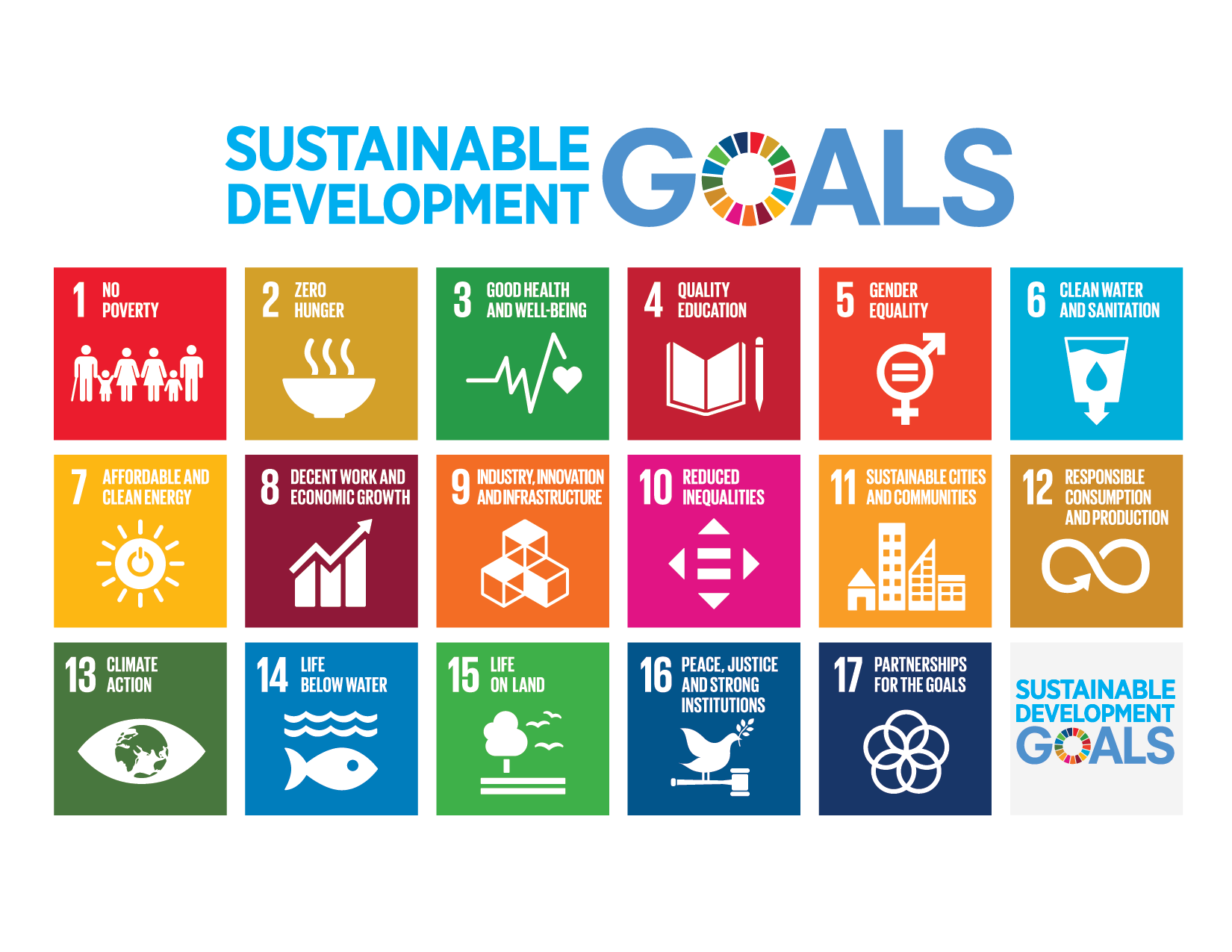
For emerging filmmakers, documentary practice is more than a technical exercise; it is a means of observing society, interpreting change, and contributing thoughtfully to collective aspirations. In recent years, one of the most productive frameworks for giving direction to such creative inquiry has been the United Nations Sustainable Development Goals (SDGs). These 17 goals—ranging from quality education and climate action to responsible consumption and community wellbeing—offer student documentary makers a structured lens through which to explore real-world stories in a constructive and solutions-oriented manner.
Rather than demanding confrontation or critique, the SDG framework encourages balanced observation, empathetic engagement, and the celebration of positive initiatives. For students, it becomes a roadmap for producing work that is socially relevant, ethically grounded, and aligned with global aspirations for a better future.
1. Why the SDGs Matter for Student Filmmakers
The SDGs provide a shared vocabulary for discussing development and progress. For filmmakers, this has three clear advantages:
a. A Clear Purpose
Students often struggle to identify subjects that feel meaningful. The SDGs offer thematic anchors—such as “Good Health and Well-Being” or “Clean Water and Sanitation”—that help locate stories with inherent relevance.
b. A Balanced, Constructive Approach
The SDGs emphasise cooperation, innovation, and positive interventions. Documentary projects can therefore highlight individuals, organisations, or communities working toward change—avoiding contentious or politicised angles.
c. A Global Framework for Local Stories
A story from a campus initiative, a neighbourhood recycling effort, or a local social entrepreneur immediately becomes part of a global conversation. This adds value and legitimacy to student work.
2. Identifying SDG-Aligned Documentary Ideas
A productive documentary does not need to address an entire goal. It can focus on a single person, place, or initiative that reflects the spirit of an SDG in everyday life. Some examples include:
SDG 3 — Good Health and Well-Being:
A student-led mental health peer-support group on campus; community fitness initiatives; professionals improving public health awareness.
SDG 4 — Quality Education:
Volunteer educators teaching digital literacy; schools adopting creative learning methods; inclusive education efforts for children with diverse learning needs.
SDG 5 — Gender Equality:
Profiles of women leaders in arts, business, sports, or community development; skill-building programmes that empower young women.
SDG 11 — Sustainable Cities and Communities:
Urban gardens, recycling champions, public art initiatives, or youth-led community clean-up projects.
SDG 12 — Responsible Consumption and Production:
Zero-waste cafés; artisans using upcycled materials; small businesses promoting sustainable packaging.
SDG 14 & 15 — Life Below Water / Life on Land:
Marine conservation clubs; biodiversity groups monitoring bird or plant species; local beach clean-up volunteers.
Each of these subjects offers a non-controversial, uplifting entry point into documentary storytelling.
3. Ethical and Practical Considerations for Students
Documentaries inspired by the SDGs require thoughtful handling. Students should keep the following principles in mind:
a. Represent with Accuracy and Respect
Approach contributors with sensitivity. Focus on their lived experiences, expertise, or positive initiatives without sensationalism. Use factual material responsibly.
b. Show Solutions, Not Just Problems
A solutions-oriented approach is both constructive and aligned with public interest. Audiences respond well to stories that highlight innovation, collaboration, and resilience.
c. Maintain Institutional and Regulatory Sensitivity
Student films should avoid misinterpretations by focusing on personal stories rather than institutional critique. The aim is to document, inspire, and inform—not provoke or confront.
d. Seek Informed Consent
Clear communication about the purpose of the film builds trust and ensures ethical practice, especially when filming in communities or private spaces.
4. Crafting the Narrative: Turning SDGs into Storytelling
A well-crafted documentary translates an abstract concept into a relatable human narrative. Here are narrative strategies that help:
Personal Journeys
Follow an individual who contributes meaningfully to an SDG-related cause. Their passion becomes the emotional backbone of the film.
Process-Oriented Storytelling
Document the steps taken by a group or initiative—from planning to execution. This has educational value while maintaining a positive tone.
Visual Proof of Change
Use on-ground footage, real spaces, and everyday activities to show outcomes. Seeing a community garden flourish or students engaging in eco-clubs carries more weight than explanation alone.
Balanced Voiceover and Interviews
Allow participants to speak for themselves. Their grounded perspectives ensure authenticity without requiring any commentary that could be interpreted as politically sensitive.
5. Case Examples for Inspiration
Case 1: “The Green Crew” – A Campus Sustainability Story
A group of university students forms an environmental club promoting recycling and awareness. The documentary follows their weekly activities, interviews members, and shows the measurable impact of their campus campaigns. This aligns with SDG 12 and SDG 13, offering a positive community story.
Case 2: “Learning Beyond Walls” – Inclusive Teaching Practices
Featuring educators who bring creative learning methods to underserved students, this film highlights SDG 4 through constructive initiatives and real classroom progress.
Case 3: “Waves of Care” – Youth Marine Conservation
A coastal community’s young volunteers conduct beach clean-ups and awareness drives. The film visually emphasises teamwork, hope, and responsibility, resonating with SDG 14.
These examples demonstrate that small stories carry significant weight when framed within global developmental goals.
Most importantly, students learn that documentary filmmaking is not merely an act of recording reality—it is a tool for nurturing awareness and strengthening the link between creativity and responsible citizenship.
Conclusion
Addressing the SDGs through documentary filmmaking gives students a positive, purposeful, and globally relevant creative direction. It encourages them to explore stories of resilience, innovation, and collaboration without provoking sensitive political readings or institutional concerns. In doing so, student filmmakers cultivate a tradition of responsible visual storytelling—one that honours the past, observes the present with clarity, and imagines a future shaped by constructive engagement.
Whether focusing on education, sustainability, community wellbeing, or innovation, documentary films rooted in the SDG framework can inspire audiences while enriching students’ own understanding of their role as filmmakers in a rapidly evolving world.